Fri 22-08-2025 09:38
Tue 12-08-2025 09:38
Scuba diving Andaman and Nicobar
Scuba diving
Beach Overview
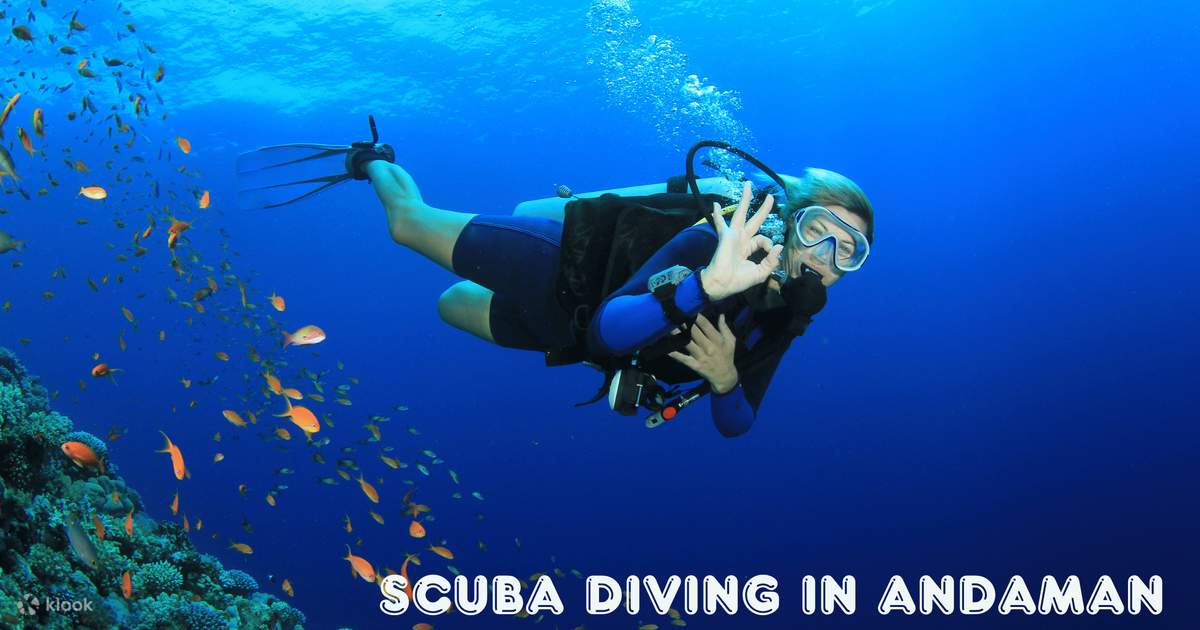
Scuba diving in the Andaman and Nicobar Islands opens doors to an underwater paradise teeming with vibrant marine life and pristine coral reefs. This remote archipelago in the Bay of Bengal draws thrill-seekers from around the world for its crystal-clear waters and diverse dive sites. Andaman and Nicobar Islands tourism thrives on these experiences, offering certified divers and beginners alike unforgettable adventures beneath the waves.
Picture yourself descending into depths where colorful fish
Did You Know?
Swaraj Dweep Prime Dive Sites
How to Reach
Transportation Options
- The Andaman and Nicobar Islands boast world-class sites accessible from key islands. Swaraj Dweep stands out as the scuba diving hub, with easy boat access to reefs.
Beach Activities
Swaraj Dweep Prime Dive Sites
Shaheed Dweep Hidden Underwater Gems
Other Island Standout Dive Spots
Essential Gear for Andaman Scuba Adventures
Marine Life Encounters Underwater
Safety Protocols During Dives
Beach Highlights
Booking Tips for Dive Packages
Accommodations Near Dive Centers
Beach Hopping Alongside Diving
Conservation Efforts Protecting Reefs
Insider Tips: Enhancing Dive Experiences
Beach Location
Interactive Map
Scuba diving Andaman and Nicobar
https://maps.app.goo.gl/qVtgFwwVBvCShBTP6
Best Time to Visit
- Timing your dive perfectly enhances safety and visibility in these tropical waters. The ideal window spans November to May, when calm seas and minimal rainfall create optimal conditions. ● Peak Season (November-April): Warm waters (27-30°C), excellent visibility (15-30 m), and low winds make it the best time to visit Andaman and Nicobar. Crowds peak around Christmas and New Year, so book early for Andaman and Nicobar tour packages. ● Shoulder Months (October, May): Fewer tourists, slightly choppier seas, but still great for scuba diving Andaman and Nicobar with visibility up to 20 m. ● Monsoon Avoidance (June-September): Heavy rains and rough waters close many sites; not recommended for diving. Water warms further in March-April, attracting manta rays and whale sharks. Check forecasts via local dive operators for real-time updates. Packing a rash guard helps against occasional stings from jellyfish during transitions.
Photo Gallery
No images available for this beach.
Do's ✅
- Find out about safe swimming/diving areas from Tourist Info Center, Local Tour Operators or Forest Dept. Staff. Avoid Protected Areas.
- Look for safety sign boards to identify potential dangers.
- Ask a lifeguard about swimming conditions like currents, tides, visibility, and presence of marine creatures.
- Swim with a friend; supervise children; avoid swimming in the dark.
- Raise your hand for help if in trouble, stay calm and signal for assistance.
Don't ❌
- Do not dangle arms or legs from boats.
- Avoid swimming under influence of alcohol or drugs.
- Remove shiny jewellery or bright colored clothes to avoid attracting predatory fishes.
- Avoid swimming with open wounds.
- Do not swim or dive among schools of fish; avoid night swimming/diving.
Look out for Harmful Marine Animals ⚠️
- Jelly Fishes: Sting may cause pain and giddiness. Apply vinegar or ice pack if stung. Don't rub.
- Sharks: Present in open sea & coral reefs. Avoid swimming alone or with open wounds.
- Sea Snakes: Poisonous; recognized by paddle-like tail. Stay away from them.
- Stone Fish: Venomous dorsal spines. Wear sturdy sandals, avoid stepping on corals or rocks.
- Salt Water Crocodiles: Found in creeks, mangroves, and sheltered waters. Get ashore if spotted and alert authorities.